Allergies in Austin? How Regular House Cleaning Reduces Cedar Fever and Dust
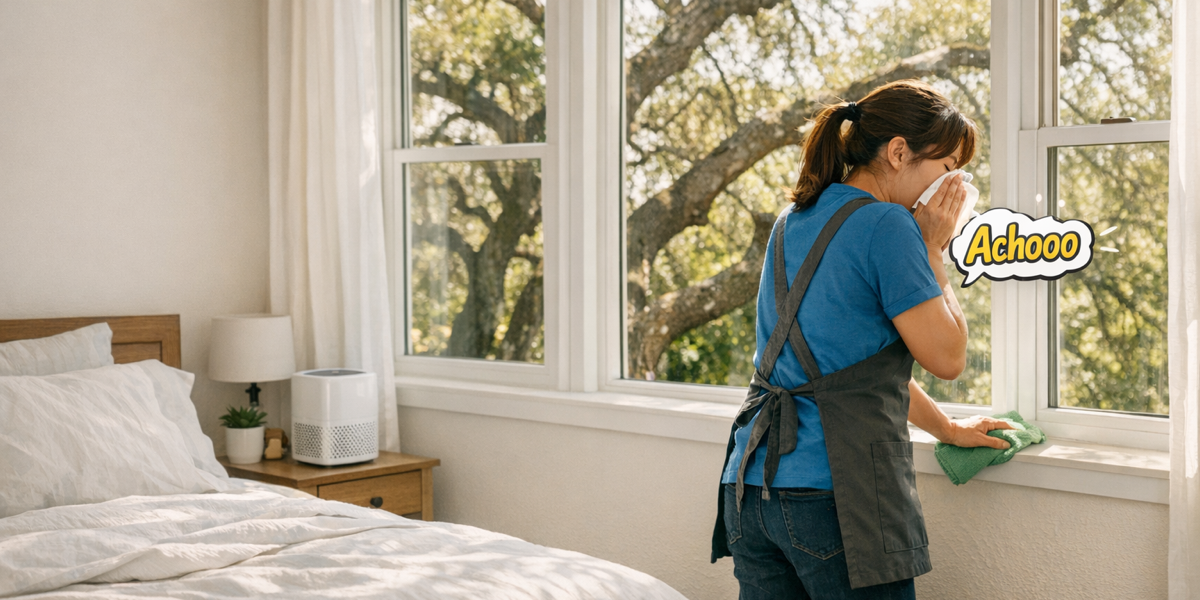
Cleaning for Allergies in Austin: Your Home Shouldn’t Make You Sicker
If you live in Austin, you already know the allergy situation is brutal. Cedar fever dominates December through February. Oak pollen blankets everything in spring. Ragweed hits in fall. Mold thrives in the humidity year-round. And dust mites are a constant, invisible presence in every bedroom.
Austin regularly appears on “worst cities for allergies” lists, and anyone who’s survived a cedar season knows those rankings aren’t exaggerated. You can’t control what’s happening outside, but cleaning for allergies inside your Austin home can dramatically reduce your exposure and your symptoms.
Here’s how regular professional cleaning makes a measurable difference for allergy sufferers.
Austin’s Allergy Calendar (It’s Basically Year-Round)
Unlike cities with a defined “allergy season,” Austin hits you from multiple directions across all twelve months.
December Through February: Cedar Fever
Mountain cedar (Ashe juniper) releases massive clouds of pollen from the Hill Country west of Austin. Cedar fever isn’t a cold, but it feels like one. Itchy eyes, sinus pressure, congestion, fatigue. Cedar pollen is extremely fine and infiltrates homes through doors, windows, HVAC systems, clothing, and pets.
March Through May: Oak and Other Tree Pollen
Just as cedar winds down, oak pollen takes over. Live oaks are everywhere in Austin, and they produce an incredible volume of pollen in spring. Elm and pecan trees add to the mix.
June Through September: Grass Pollen and Mold
Summer heat and humidity create ideal conditions for grass pollen and outdoor mold spores. Austin’s periodic heavy rains followed by intense heat create mold-friendly conditions both outdoors and in poorly ventilated indoor spaces.
September Through November: Ragweed
Fall brings ragweed, which produces lightweight pollen that travels for miles. Combined with mold from fall rains, this rounds out a full year of allergen exposure.
Year-Round: Dust Mites and Indoor Mold
Regardless of the season, dust mites thrive in Austin’s warm, humid climate. They live in bedding, upholstery, carpets, and any fabric surface. Indoor mold grows in bathrooms, under sinks, around windows, and anywhere moisture collects.
How Professional Cleaning Reduces Allergens
Allergen management isn’t just about medications and air purifiers. The physical removal of allergens from surfaces, floors, and textiles is one of the most effective strategies for reducing indoor exposure.
HEPA Vacuuming
Standard vacuums often recirculate fine particles back into the air. HEPA-filtered vacuums trap 99.97% of particles down to 0.3 microns, which includes pollen, dust mite waste, and mold spores. Professional cleaning teams use commercial-grade HEPA equipment that outperforms most consumer vacuums.
For allergy sufferers, regular HEPA vacuuming of carpets, rugs, and upholstered furniture is one of the highest-impact interventions available.
Damp Dusting and Microfiber
Dry dusting pushes allergens into the air where you breathe them. Damp dusting with microfiber cloths captures and removes particles from surfaces. This matters for shelving, ceiling fans, blinds, window sills, and all the horizontal surfaces where pollen and dust settle.
During cedar season, a single week of settling can coat every surface in your home with a visible layer of fine, yellowish pollen. Regular damp dusting removes it before it accumulates to problem levels.
Bathroom Mold Prevention
Austin’s humidity makes bathrooms a prime location for mold growth. Grout lines, shower doors, under-sink areas, and around toilet bases all collect moisture. Regular professional cleaning of these areas prevents mold from establishing and spreading.
For allergy sufferers, bathroom mold is a major trigger that’s often overlooked. Consistent cleaning keeps it in check without relying on harsh chemical treatments.
Floor Mopping
Vacuuming picks up the bulk of debris, but fine allergen particles cling to hard floors. Mopping after vacuuming removes the residual pollen, dander, and dust mite waste that sticks to tile, hardwood, and laminate. This is especially important during high-pollen seasons when fine particles settle constantly.
What the Research Says About Cleaning Frequency and Allergies
Studies on indoor allergen management consistently support the connection between regular cleaning and reduced allergen levels.
Research published in the Journal of Allergy and Clinical Immunology found that homes cleaned at least twice monthly had significantly lower levels of dust mite allergens compared to homes cleaned monthly or less frequently. The Environmental Protection Agency recommends regular vacuuming with HEPA filtration, damp mopping, and controlling indoor humidity as primary strategies for reducing indoor allergen exposure.
The American College of Allergy, Asthma & Immunology specifically recommends weekly vacuuming of carpets and upholstery for dust mite allergy management. For households in high-allergen environments like Austin, this frequency recommendation is even more relevant.
The takeaway: occasional cleaning reduces allergens temporarily. Consistent, frequent cleaning maintains low allergen levels over time. The difference between monthly and biweekly cleaning is not just incremental; it’s the difference between reactive and preventive allergen management.
Why Biweekly Is the Minimum (and Weekly During Cedar Season)
For Austin allergy sufferers, we recommend biweekly cleaning as a baseline, with weekly service during your worst allergy months.
Biweekly: Your Year-Round Foundation
Every two weeks is enough to prevent significant allergen accumulation in most Austin homes. Dust mites, general dust, pet dander, and baseline pollen levels stay manageable on a biweekly schedule. Your Canary Clean team removes buildup before it reaches levels that trigger symptoms.
Weekly: Your Cedar Season Upgrade
During peak cedar season (late December through February), pollen levels in Austin can reach counts that are orders of magnitude above what other cities experience. During these weeks, biweekly may not be enough. Weekly cleaning ensures that cedar pollen is removed from your home before it accumulates to problem levels.
Many of our recurring clients in Austin bump up to weekly during cedar season and drop back to biweekly when counts fall. It’s a simple schedule adjustment through your Canary Clean plan.
Eco-Friendly Products That Won’t Make Allergies Worse
One often-overlooked factor in cleaning for allergies: the products themselves. Harsh chemical cleaners with strong fragrances can irritate airways and trigger allergy-like symptoms. If you’re cleaning to reduce allergens but using products that contain volatile organic compounds (VOCs), synthetic fragrances, or chlorine bleach, you may be trading one irritant for another.
Canary Clean offers eco-friendly, low-VOC cleaning products on request that are effective against allergens without introducing chemical irritants. This is especially important for:
- People with chemical sensitivities
- Households with young children
- Anyone with asthma triggered by strong scents
- Pet-owning households (pets are more sensitive to chemical residue on floors)
You shouldn’t have to choose between a clean home and breathable air. The right products and the right cleaning team deliver both.
Additional Steps for Allergy Sufferers
Professional cleaning is a cornerstone of indoor allergen management, but it works best alongside these habits:
- Change HVAC filters monthly during high-pollen seasons (standard recommendation is every 90 days, but Austin’s pollen loads demand more)
- Run a HEPA air purifier in bedrooms, especially during cedar season
- Wash bedding weekly in hot water to kill dust mites
- Keep humidity below 50% to discourage dust mites and mold (a challenge in Austin, but a good dehumidifier helps)
- Shower and change clothes after spending time outdoors during peak pollen periods
- Keep windows closed during high-count days, even when the weather is beautiful
Breathe Easier at Home
You can’t control Austin’s allergy environment. But you can control what’s inside your home. Regular professional cleaning removes the pollen, dust, dander, and mold that accumulate between visits and trigger your symptoms.
Book a recurring cleaning plan with Canary Clean and start reducing your indoor allergen load this week. Choose biweekly for year-round protection, or weekly during your worst allergy months. Your sinuses will notice the difference.
Ready for a Spotless Home?
Get an instant quote for weekly, biweekly, or monthly cleaning. No contracts, cancel anytime.
100's of Austin families already trust Canary Clean